According to the United States Department of Energy, a dirty air filter can increase cooling costs by up to 20%. This staggering statistic highlights the importance of regular HVAC maintenance, particularly in regions like Manassas Park, where sweltering summers and freezing winters put a significant strain on heating and cooling systems. As a NATE-Certified Senior HVAC Technician, I’ve seen firsthand the impact of neglected air filters on energy bills and system performance. In this article, we’ll delve into the specifics of how dirty air filters can raise your cooling costs and explore practical solutions for maintaining efficient and reliable HVAC systems.
The relationship between air filter cleanliness and cooling costs is rooted in the fundamental principles of thermodynamics and airflow. When an air filter becomes clogged with dirt, dust, and debris, it restricts the flow of air through the system, causing the fan and compressor to work harder to achieve the same level of cooling. This increased workload results in higher energy consumption, which directly translates to increased cooling costs. Furthermore, dirty air filters can also lead to a range of other issues, including reduced system lifespan, increased risk of breakdowns, and compromised indoor air quality.
Manassas Park HVAC, as the premier heating and cooling service provider in the area, understands the critical importance of professional maintenance and timely repairs in ensuring the optimal performance and efficiency of HVAC systems. By prioritizing regular air filter replacements, cleaning, and inspections, homeowners can significantly reduce their cooling costs and enjoy a more comfortable indoor environment. For those looking to prepare their HVAC systems for the extreme temperatures of Manassas Park winters, visiting our guide on preparing your HVAC for Manassas Park winters can provide valuable insights and tips.
Technical Process of HVAC Diagnostic and Maintenance
A professional HVAC diagnostic and maintenance workflow involves a comprehensive series of steps designed to identify and address potential issues before they become major problems. This process typically begins with a visual inspection of the system, including the air filter, coils, and ductwork, to identify any signs of damage, wear, or neglect. Next, electrical component testing is performed to ensure that all components, including the fan, compressor, and thermostat, are functioning correctly. Airflow analysis is also crucial, as it helps technicians understand how well the system is distributing heated or cooled air throughout the home.
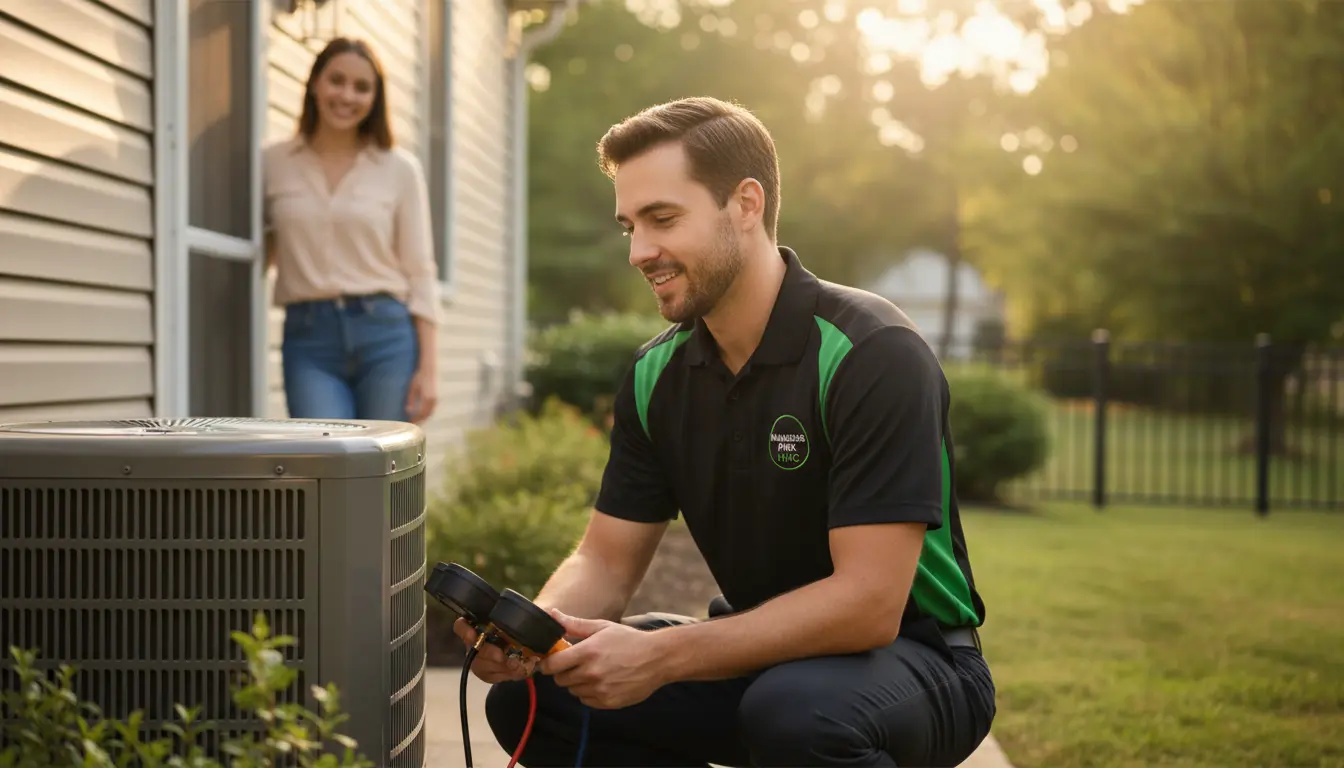
Tools such as digital manifold gauges, anemometers, multimeters, and psychrometers are indispensable in this process, providing technicians with the data needed to diagnose issues accurately. For instance, a digital manifold gauge allows technicians to measure the pressure of the refrigerant, which is critical for ensuring the system is operating within safe and efficient parameters. Similarly, an anemometer helps in assessing airflow, which can be affected by dirty air filters or obstructed ductwork. Understanding the scientific reasoning behind these tools and their applications is key to effective HVAC maintenance and repair.
Local variables, such as environmental conditions and high ambient humidity, play a significant role in dictating specific cooling or heating adjustments. In Manassas Park, the sweltering summers require systems to work harder to cool homes, while the freezing winters demand efficient heating to maintain comfort. Technicians must consider these factors when performing maintenance and repairs to ensure that systems are optimized for the local climate.
Data Comparison: High-Efficiency vs. Standard Systems
When considering the upgrade or replacement of an HVAC system, one of the most critical decisions is whether to opt for a high-efficiency system or a standard one. The choice between these options can significantly impact energy efficiency, operating costs, and the overall lifespan of the system. Below is a comparison table highlighting key differences between high-efficiency heat pump systems and standard AC/gas furnace split systems:
| Feature/Metric | High-Efficiency Heat Pump | Standard AC/Gas Furnace Split System |
|---|---|---|
| Energy Efficiency | Up to 20 SEER and 10 HSPF | Up to 14 SEER and 8.5 HSPF |
| Operating Cost | Lower monthly energy bills due to higher efficiency | Higher monthly energy bills compared to high-efficiency systems |
| Lifespan/Durability | Typically longer lifespan due to less wear and tear | Standard lifespan, with potential for more frequent repairs |
Source: ACCA (Air Conditioning Contractors of America) Guidelines
Expert Insights for Optimal HVAC Performance
As a seasoned HVAC technician, I’ve compiled a list of advanced professional tips to help homeowners optimize their system’s performance and efficiency. Firstly, selecting the correct MERV rating for air filters is crucial. A higher MERV rating means the filter can capture smaller particles, including dust, pollen, and other allergens, but it may also restrict airflow if the system is not designed to handle it. Secondly, optimizing programmable thermostat settings for Manassas Park’s weather patterns can significantly reduce energy consumption. For example, setting the thermostat to increase the temperature when the home is unoccupied can lead to substantial savings. Lastly, regular inspection and maintenance of the ductwork are vital, as leaks or blockages can lead to energy losses and decreased system performance.
Common mistakes homeowners make include closing vents in unused rooms, which can actually increase energy bills by causing the system to work harder, and ignoring strange operational noises, which can be indicative of underlying issues that need immediate attention. Skipping annual tune-ups is another critical mistake, as it can lead to short cycling, frozen evaporator coils, or premature compressor failure, all of which can result in costly repairs and decreased system lifespan.
Pricing Structures for HVAC Services
The cost of HVAC services can vary widely depending on several factors, including the age and accessibility of the unit, the type of refrigerant required, and whether the service is performed during regular hours or as an emergency after-hours dispatch. Service call fees can range from $75 to $200, depending on the provider and the time of service. Flat-rate repair pricing is often preferred by homeowners, as it provides a clear upfront cost for the repair, which can range from a few hundred dollars for minor fixes to several thousand dollars for major repairs or system replacements. Preventative maintenance plans are also available, offering tiered pricing structures based on the level of service and frequency of visits, which can help homeowners budget for their HVAC needs and avoid unexpected costly repairs.
Safety and Standards in HVAC Repair and Maintenance
Safety is paramount in HVAC repair and maintenance, with specific certifications like NATE (North American Technician Excellence) and EPA Section 608 ensuring that technicians are properly trained to handle refrigerants and electrical currents safely. Proper handling of refrigerants is critical, not only for the safety of the technician and occupants but also for preventing environmental damage. Similarly, understanding and adhering to safety protocols for electrical work, such as lockout/tagout procedures, is essential for preventing electrical shock or fire hazards. For households with gas furnaces, ensuring carbon monoxide safety through regular inspection and maintenance of the furnace and venting system is crucial for preventing potentially lethal carbon monoxide poisoning.
Frequently Asked Questions
What are the signs that my air filter needs to be replaced?
The signs that your air filter needs to be replaced include a significant increase in energy bills, reduced airflow from vents, and visible dirt or dust accumulation on the filter. Regularly checking the filter, typically every 1-3 months, depending on usage and manufacturer recommendations, can help determine if it needs to be cleaned or replaced. For those unsure about the process or the type of filter their system requires, consulting with a professional HVAC technician can provide the necessary guidance and ensure the system operates efficiently and safely.
How often should I have my HVAC system serviced?
Regular servicing of your HVAC system is crucial for maintaining its efficiency, performance, and lifespan. It is recommended to have your system serviced at least once a year, preferably before the start of the heavy usage season, whether it’s summer or winter. This preventive maintenance can help identify and fix potential issues before they become major problems, reducing the risk of costly repairs and ensuring the system operates safely and efficiently.
What are the benefits of upgrading to a high-efficiency HVAC system?
Upgrading to a high-efficiency HVAC system can offer several benefits, including lower monthly energy bills, a longer system lifespan, and reduced environmental impact. High-efficiency systems are designed to provide the same level of comfort while using less energy, which can lead to significant savings over time. Additionally, these systems often come with advanced features such as programmable thermostats and zoning systems, allowing for more precise control over the indoor environment and further enhancing energy efficiency.
Can I repair my HVAC system myself?
While some minor issues with your HVAC system might seem repairable on your own, it’s generally recommended to hire a professional HVAC technician for any repairs. HVAC systems involve complex electrical and refrigeration components that require specialized knowledge and tools to service safely and correctly. Improper repairs can lead to safety hazards, further system damage, and voided warranties. Professional technicians have the training, experience, and equipment to diagnose and fix issues efficiently and safely, ensuring your system operates at its best and providing you with peace of mind.
Conclusion
In conclusion, the importance of maintaining clean air filters and performing regular HVAC maintenance cannot be overstated. By understanding the impact of dirty air filters on cooling costs and system performance, homeowners can take proactive steps to ensure their HVAC systems operate efficiently, safely, and reliably. For those in Manassas Park and surrounding areas, Manassas Park HVAC stands as a trusted partner in all HVAC needs, from routine maintenance and repairs to system upgrades and installations. By choosing professional, NATE-Certified technicians, homeowners can enjoy superior indoor comfort, reduced energy bills, and the peace of mind that comes with knowing their HVAC system is in good hands. For more information on how to keep your HVAC system running smoothly and efficiently, consider visiting our top 7 energy-saving tips for Manassas Park homes or exploring our common HVAC problems and fixes for local homes. Remember, a well-maintained HVAC system is not just about comfort; it’s also about safety, efficiency, and protecting your investment in your home.
To schedule a service call or to inquire about our preventative maintenance plans, please visit our contact page. We serve Manassas Park and the surrounding areas, including Manassas, Bull Run, Sudley, Yorkshire, Loch Lomond, West Gate, Gainesville, Haymarket, Bristow, Linton Hall, Buckhall, and Independent Hill. We look forward to serving you and helping you achieve the comfort and efficiency you deserve from your HVAC system.